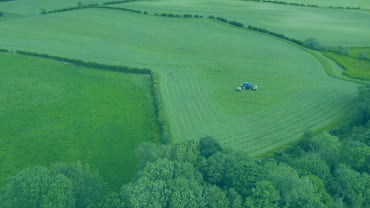
There has been a consistent demand across Scotland in recent years for sites suitable for renewable energy schemes such as solar energy (via panels which capture sunlight for conversion to energy), onshore wind energy (via wind turbines which convert wind into energy) or battery energy storage systems (storing excess energy from these renewable sources in batteries for later use). In the Scottish Highlands, demand has been especially high for sites suitable for onshore wind projects and battery energy storage. As we edge closer to the 2050 net zero target set by the UK Government (2045 in Scotland), it is anticipated that this demand will continue and that the Highlands will continue to play a key role.
What should you do if you are approached by a developer regarding the use of your land for a renewable energy development?
The first, and arguably the most important, step is to take proper advice at the outset – you may wish to start with a lawyer, who will be able to recommend a suitable land agent, or with a land agent who will be able to recommend a suitable lawyer. The developer should cover the cost of any advice that you require in connection with the proposed development.
The second step is to agree commercial terms, such as the length of any agreement (and any renewal options), the sums due to you, and any termination provisions. You should consider the rights that you wish to retain, such as rights of access to the land, and any conditions that you wish to include regarding the return of the land at the end of the development, such as removal of infrastructure. Your land agent will help you to achieve the best terms possible.
Thirdly, a tax advisor should be instructed to advise on the tax implications of the transaction (both in terms of tax on income from the development and in terms of possible tax implications regarding the change of use of the land).
Finally, your lawyer will draft up the necessary legal documents. Often, the agreement will grant the developer an option over the land for a short period of time, allowing the developer a defined period to carry out certain checks, with a lease to follow if the site is viable. These checks may include:
- Grid Connection – The developer will want to confirm the availability of a grid connection to the site, and the costs associated with this. A key aspect of the anticipated increase in approaches to landowners is the ongoing grid upgrade; the existing infrastructure has limited capacity for further renewable energy development. Grid connection can be a major hurdle for developers – even where a site is technically ideal, grid capacity may diminish viability, particularly in more rural areas.
- Land Suitability – The developer will look to assess the titles to the land to confirm ownership, identify any third-party access rights over the land and note any existing tenancies. It will want to ensure that the lease would allow suitable access rights over the land for the installation of the development and any required maintenance during its lifetime.
- Planning - The developer will want to ensure that it is able to secure planning permission before entering into a lease. There will likely be environmental considerations to be borne in mind, and potentially considerations around the community impact of a renewable energy development.
What's in it for you?
Some benefits to leasing your land for renewable energy use are:
- A reliable, long-term income – Leasing land for renewable energy use will usually provide a reliable, regular income, and can potentially increase the value of the land due to the additional income stream.
- Diversification and sustainability – A secondary income, for example beyond farming, can provide additional financial certainty. Depending on the type of energy project, only a small parcel of land may be required, so the impact on your day-to-day use of the land may be minimal.
- Positive environmental impact – By making land available for renewable energy use, you are supporting the country’s efforts to achieve net-zero and the broader global transition to clean energy.
- Habitat Restoration - There is the possibility that the developer may be required to carry out habitat management works as a condition of any planning application, so you may benefit from improvements to your wider property including restored peatland, tree planting or constructed wetlands.
The key takeaway from this is that, if you are approached about the possibility of leasing your land for a renewable energy development, you should ensure that you take proper legal and commercial advice. While these projects come with benefits, this can be a complex area, and it is important to ensure that you are properly protected by any agreement.
For further information or advice please reach out to a member of Brodies Rural Business and Nature capital team, or your usual Brodies contact.
Contributor

Associate